

Osteoarthritis
Movement is the most important human function. Muscles and joints are responsible for this mobility. With the continuous increase in life expectancy in industrialized countries, degenerative joint diseases (osteoarthritis) inevitably increase. Joint osteoarthritis begins with the thinning of the articular cartilage. In a more advanced state, the joint bone is altered, resulting in progressive deformation (deforming osteoarthritis).
Promptly understanding thesymptoms of osteoarthritisand the differences betweenarthritis and osteoarthritisis the first step toward a proper diagnosis. Although both affect the joints, osteoarthritis is primarily a degenerative condition caused by wear and tear. Recognizing the warning signs allows for intervention with targeted therapies before the damage becomes debilitating.
Another significant paradigm in the study of osteoarthritis correlates with modern societal and technological advancements: clinical observations indicate a rising incidence of secondary osteoarthritis, specifically post-traumatic osteoarthritis (PTOA). This trend is driven by the ubiquitous use of motor vehicles (road-traffic trauma), growing participation in athletic activities (sports-related trauma), and a steady increase in workplace accidents (occupational trauma).
We established the Arthro Surgery Group (ASG) with the explicit mission to advance the prevention and definitive clinical management of osteoarthritis through state-of-the-art surgical techniques. This degenerative pathology predominantly affects the hips, knees, and shoulders, and is clinically characterized by a progressive escalation of articular pain with a corresponding deterioration in range of motion.
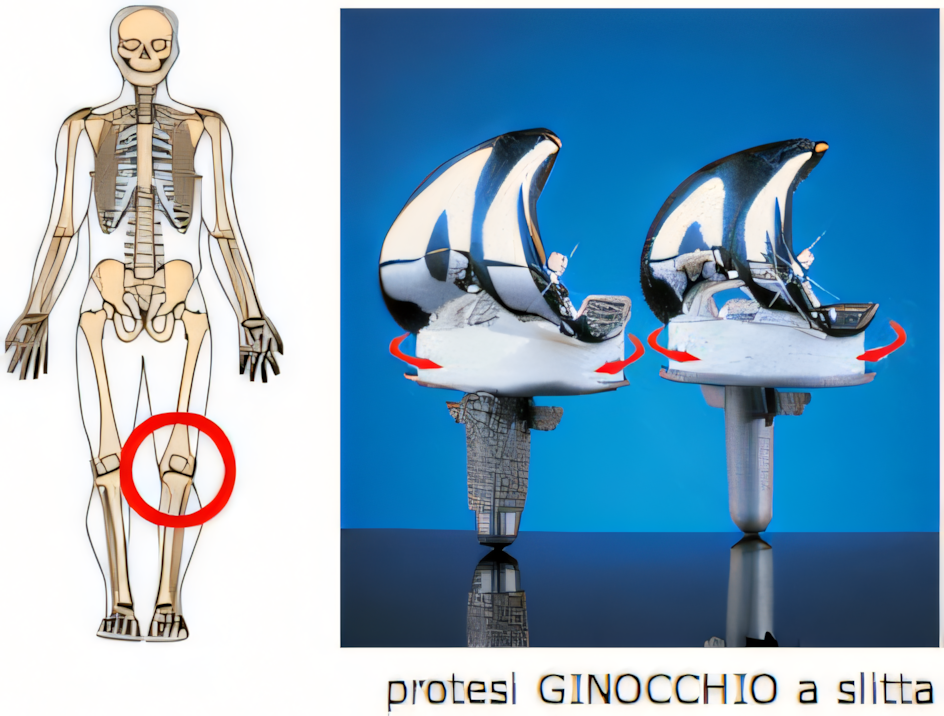
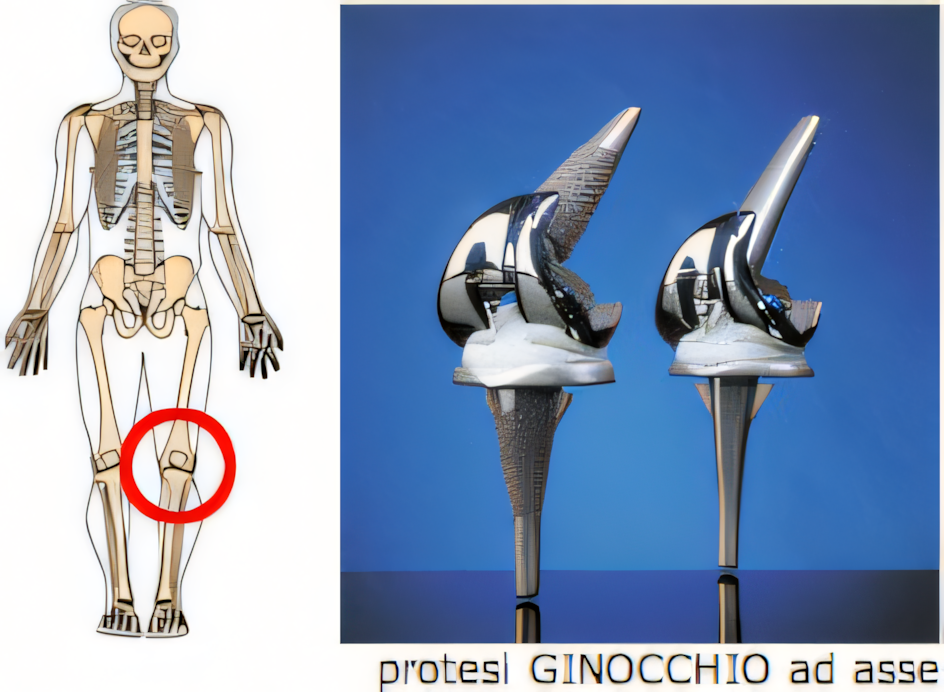
One of the most debilitating forms, in this regard, is undoubtedly knee osteoarthritis, which progressively compromises the ability to walk and perform normal daily activities. In cases where the cartilage damage is advanced and does not respond to conservative treatments, to resolve knee osteoarthritis surgical intervention for prosthetic replacement represents the gold standard clinical option to restore total joint well-being to the patient.
OSTEOARTHRITIS: Treatment and Prevention
The onset of osteoarthritis or the acceleration of progressive joint degeneration can be mitigated through proactive lifestyle modifications: increasing low-impact physical activity (e.g., walking, swimming, cycling) and reducing mechanical load via weight management.
In instances of progressive joint degeneration, conservative management modalities are indicated, encompassing physical therapy, balneotherapy, and potentially intra-articular injections utilizing anti-inflammatory or chondroprotective agents.
For advanced cases presenting with severe functional impairment, state-of-the-art surgical interventions involve the replacement of the degenerated joint with advanced prosthetic implants (total joint arthroplasty). Following a brief, targeted rehabilitation phase, these procedures restore normal joint biomechanics and ensure complete, pain-free functionality.
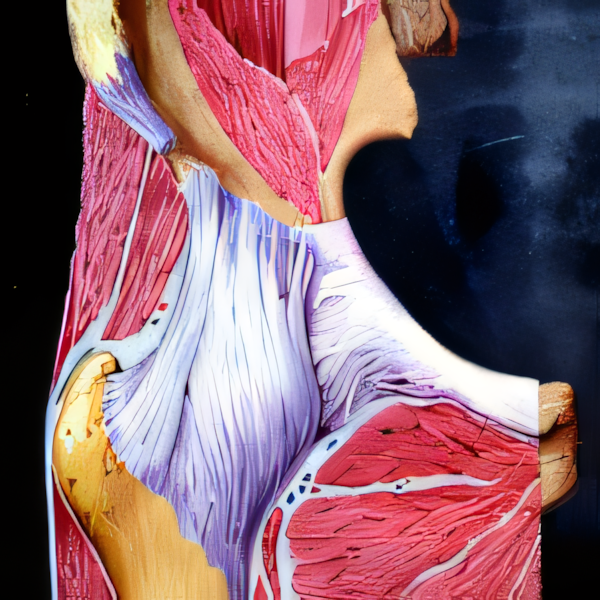
- Healthy Hip Joint
- Osteoarthritic Hip X-ray
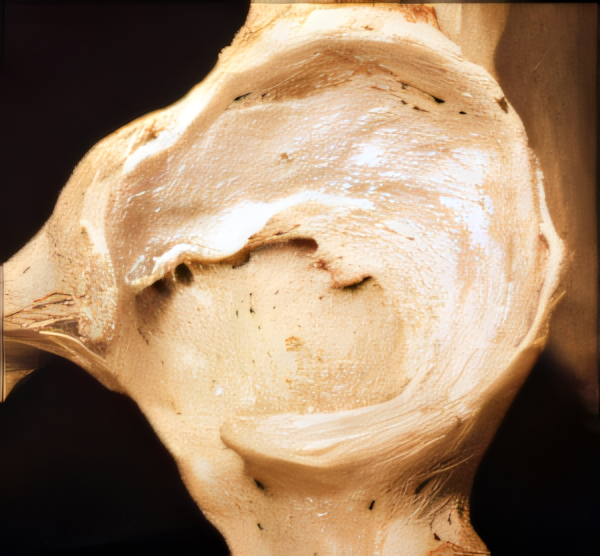
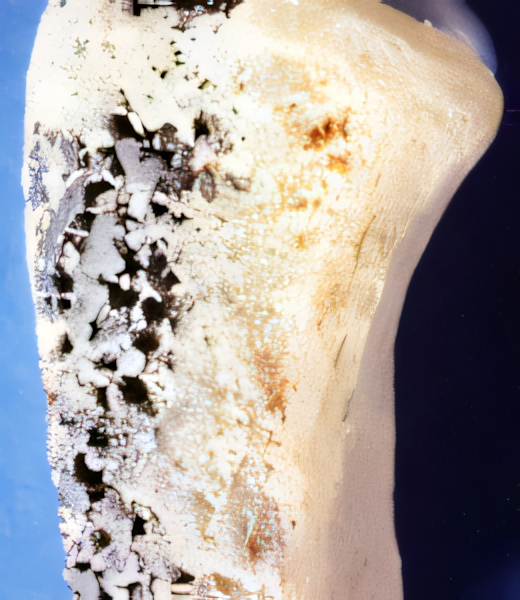
- Osteoarthritic Acetabulum
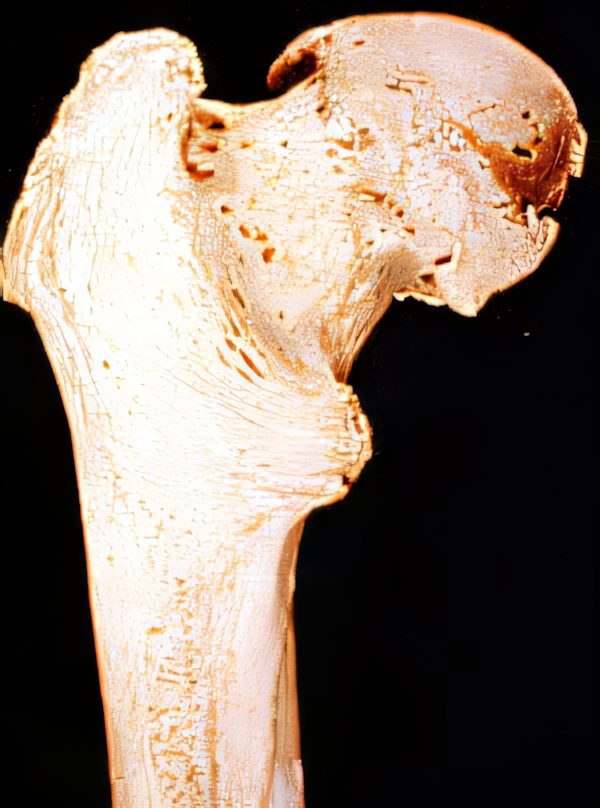
- Osteoarthritic Femur
OSTEOARTHRITIS: Treatment Options
In the early to intermediate stages of the disease, clinical management is strictly conservative.
- Early-Stage Management:Anti-inflammatory medications (NSAIDs) and physical therapy
- Intermediate-Stage Management:Intra-articular injections, physical therapy, and intramuscular injections (corticosteroids, hyaluronic acid, ACP)
In end-stage disease, clinical management is strictly operative, necessitating the replacement of the compromised articular surfaces through total joint arthroplasty.
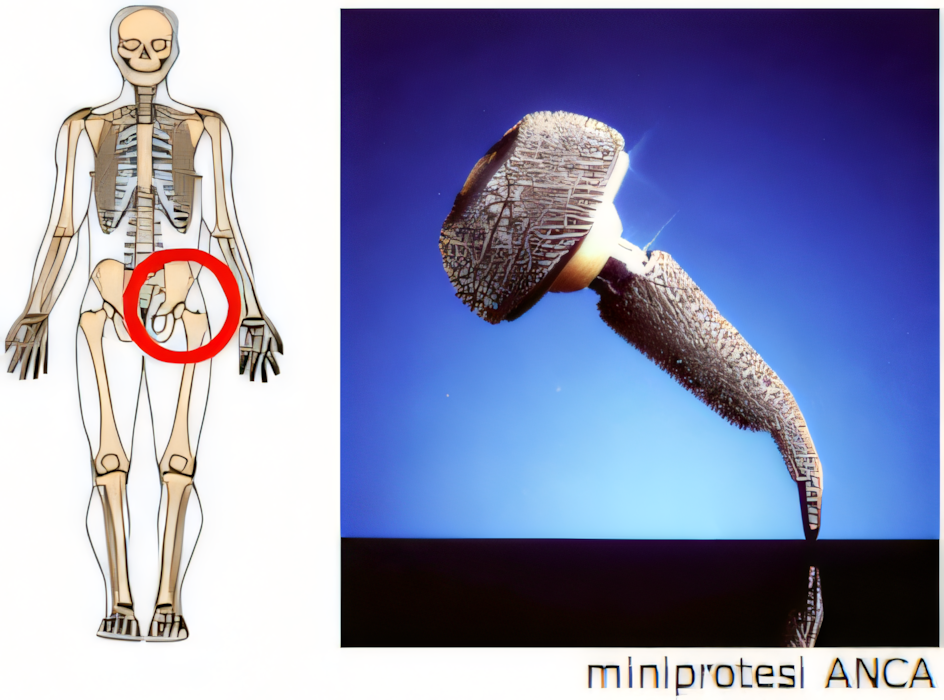
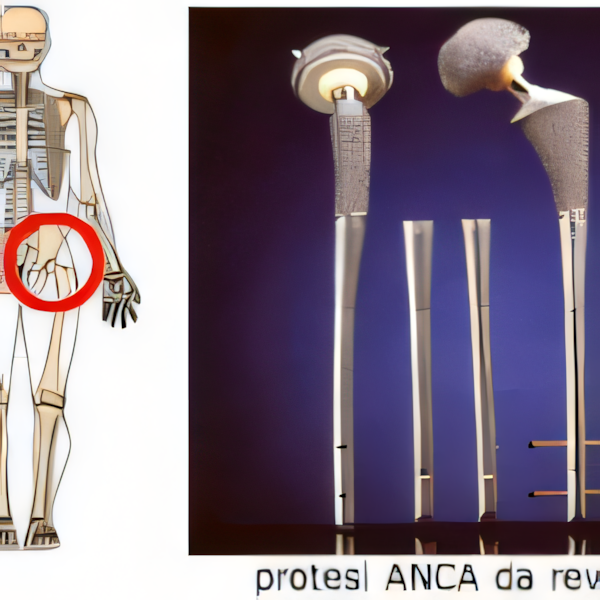
OSTEOARTHRITIS: Prosthetic Implants
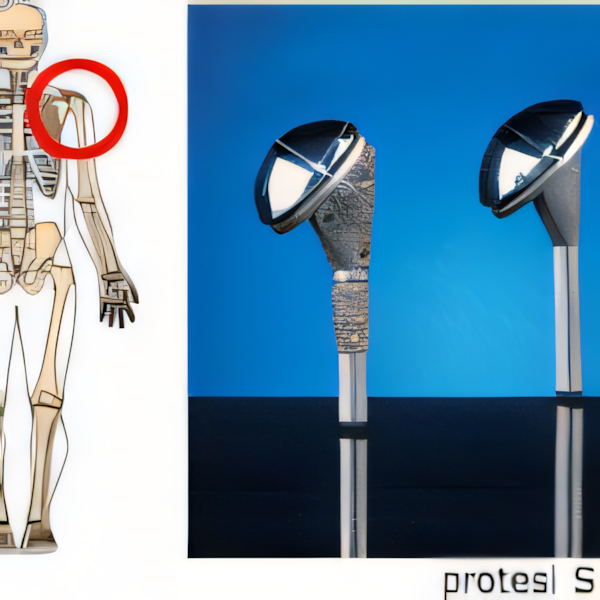
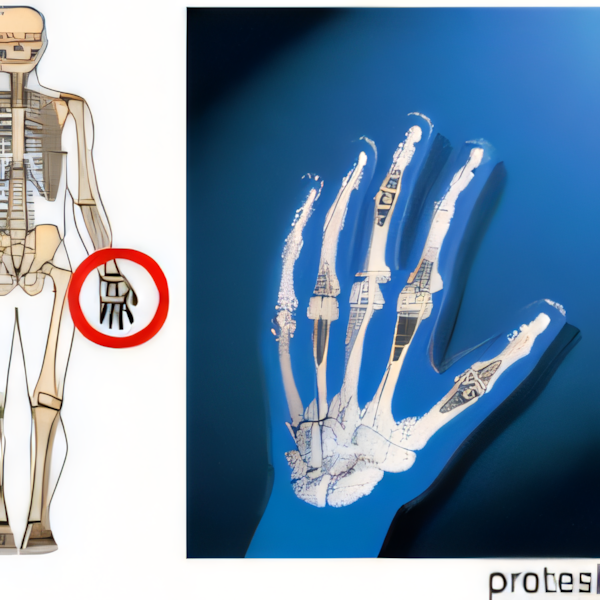
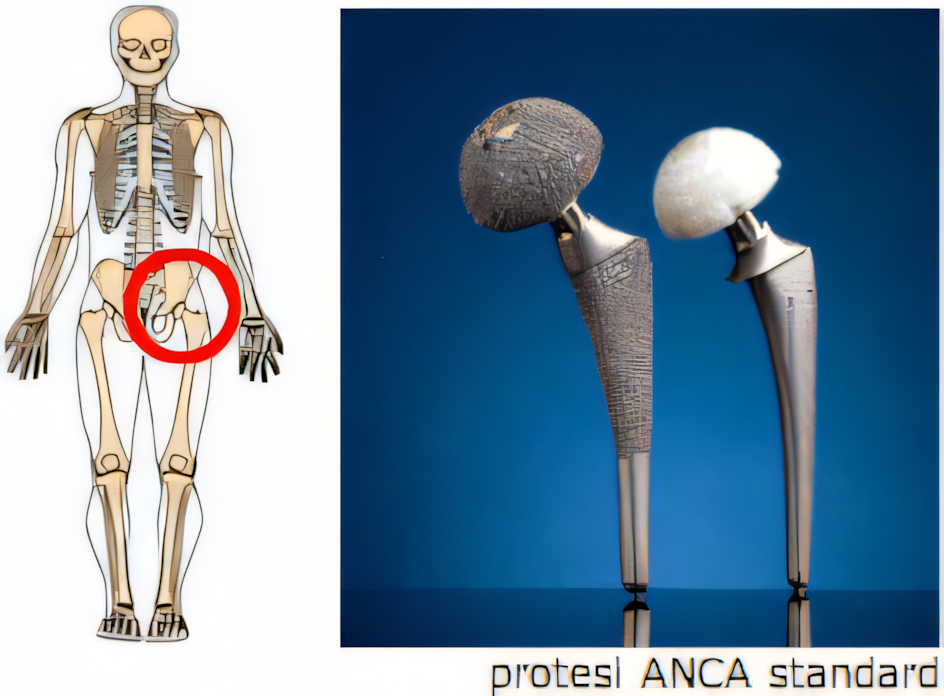
These prosthetic joint constructs are differentiated based on:
- •Implant Morphology:Anatomic, non-anatomic designs
- •Biomaterial Composition:Titanium, cobalt-chromium alloys, etc.
- •Implant Fixation Modalities:Biologic fixation, cemented fixation
Discover Biological Fixation
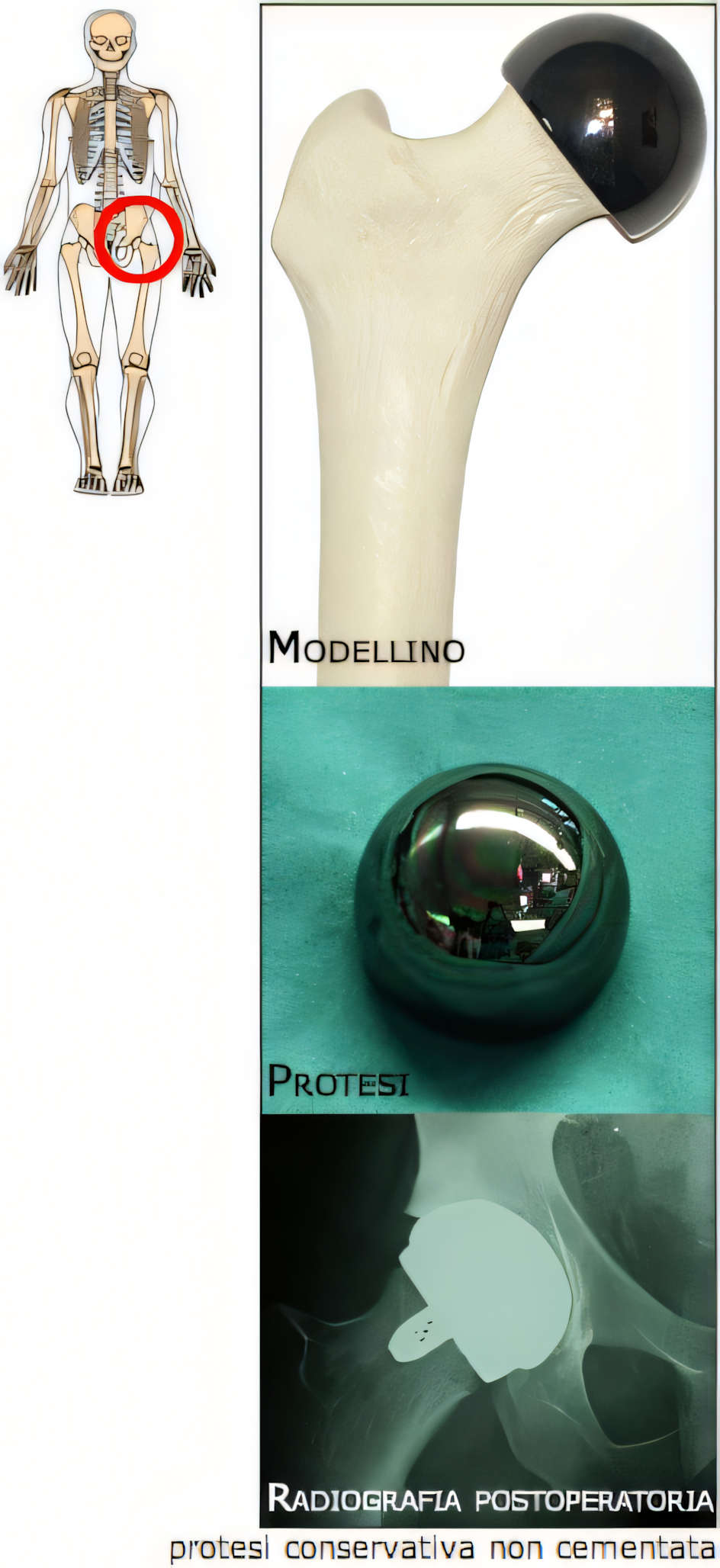
Cementless implants designed for biologic fixation do not require a chemical bonding agent (bone cement). Facilitated by their specialized porous surfaces, these implants achieve complete osteointegration into the host bone through direct bone-to-implant contact. Consequently, these constructs demonstrate the highest rates of long-term implant survivorship.
Conversely, cemented implants necessitate a chemical bonding agent (bone cement) to achieve stable fixation between the prosthesis and the host bone. These components typically feature a polished or micro-textured surface, and their overall survivorship—generally shorter than that of biologic fixation constructs—is inherently dependent upon the mechanical integrity and longevity of the cement mantle.
The Arthro Clinic Roma primarily utilizes cementless implants designed for biologic fixation.
- - Theoretical diagram (osteoblast cell invasion)
- - Histological section
- - Osteointegrated femoral stem
OSTEOARTHRITIS: Surgery
The surgical intervention has an average operative time of 45 minutes and is routinely performed under epidural anesthesia, unless specific clinical indications necessitate an alternative approach as determined by the consultant anesthetist.
Allogenic blood transfusions from external donors are no longer required. Instead, we exclusively utilize autologous blood transfusions or implement intra-operative and post-operative cell salvage techniques using specialized single-use filtration systems.
ASG has implemented a state-of-the-art, ultra-sterile infection control system in the surgical theatre, sourced from the United States. Comprising active air-filtration surgical helmets equipped with sterile hoods, this system is donned by the entire surgical faculty, including consultant surgeons and scrub practitioners. This advanced technology ensures the absolute sterility of the operative field, guaranteeing the highest standard of patient safety.
It is universally recognized that breathing generates an intense circulation of germs normally present in the airways; until now, the only protective barrier was the masks worn by surgeons and the medical and paramedical staff in the operating theatre. It has been shown that the filtration power of surgical masks is influenced by numerous factors:
- usage time (filtration power is inversely proportional to the duration of the surgery)
- incorrect fitting (a tie that is too loose can expose the nose, resulting in a total loss of barrier function), etc.
The utilization of this advanced system completely eliminates these associated surgical risks.
View Clinical Gallery
OSTEOARTHRITIS: Rehabilitation Protocols
- • On post-operative day one, the patient is mobilized to an upright, standing position.
- • On post-operative day two, the patient initiates ambulation, taking their first steps with the assistance of bilateral crutches.
- • By the third or fourth post-operative day, the patient is able to navigate stairs with the continued assistance of bilateral crutches.
The rehabilitation protocol subsequently advances to targeted muscular strengthening, enabling the patient to discontinue the use of bilateral crutches within three months post-operatively.
Book a Specialist Consultation
Rely on our experts for an accurate diagnosis and to discover the most suitable therapeutic or surgical pathways for your situation.
06.6571541